Blood Pressure 130/85 at 35: Is It Hypertension Yet?
Blood pressure of 130/85 at 35 is not yet hypertension under European guidelines, but US guidelines already call it stage 1. How to confirm it and what to change now.
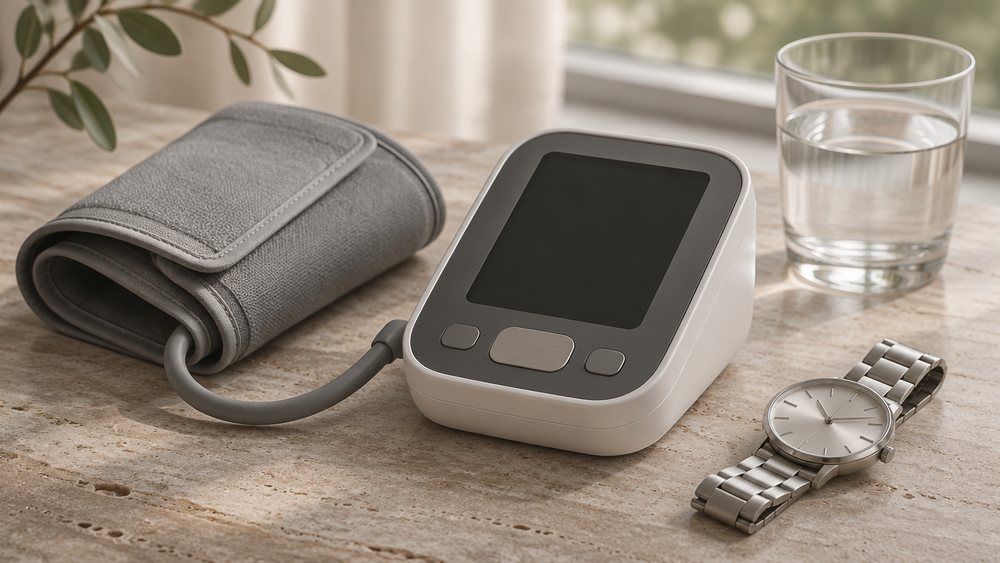
Blood pressure of 130/85 mmHg at 35, measured in a doctor's office, is not yet hypertension under the 2024 European Society of Cardiology (ESC) guidelines, but it is not ideal either: it falls into the elevated blood pressure category. Under the US classification, the same reading already counts as stage 1 hypertension. The final answer depends on how often the reading is recorded, how it was measured and which risk factors a person has.
A typical scenario: you are 35, you feel well, you exercise, work hard and travel. Then one day the monitor shows 130/85, and the question follows: is this already hypertension, or still within normal?
Why is blood pressure 130/85 not ideal?
Blood pressure of 130/85 is not considered ideal because current guidelines pay attention to cardiovascular risk at values below the hypertension threshold. For a long time, 140/90 mmHg measured in a doctor's office was treated as the boundary for hypertension.
According to the ESC 2024 guidelines, 130/85 belongs to the elevated blood pressure category. It does not yet reach the diagnostic threshold for hypertension when measured in the office.
Why do US guidelines already call it hypertension?
US guidelines use a different classification, in which readings from 130/80 mmHg count as stage 1 hypertension. So 130/85 is elevated blood pressure by European criteria and hypertension by American ones.
The same numbers can carry different diagnostic labels depending on which guidelines a doctor follows. For the person holding the monitor, what matters more is whether the rise is confirmed by repeated measurements.
Why does it matter at 35?
Raised blood pressure is worth catching at 35 because hypertension often develops gradually and causes no symptoms for a long time. Meanwhile, the blood vessels, heart, kidneys and brain are exposed to the higher pressure for years.
Blood pressure deserves particular attention in younger adults who have:
- A family history of early heart attacks or strokes.
- Excess body weight.
- Sleep problems.
- Diabetes.
- Kidney disease.
Do you need medication straight away?
No: a single reading of 130/85 is not a reason to start blood pressure-lowering medication. The first step is to confirm that blood pressure is genuinely raised rather than a one-off. A doctor decides on treatment later, once the rise is confirmed and overall cardiovascular risk has been assessed.
How do you confirm raised blood pressure?
Raised blood pressure is confirmed with repeated readings at home or 24-hour monitoring, alongside an assessment of cardiovascular risk factors. The usual tools are:
- Home measurements in the morning and evening for 7 days.
- 24-hour ambulatory blood pressure monitoring (ABPM), if needed.
- An assessment of cardiovascular risk factors.
Home readings and ABPM have their own thresholds. Under European criteria, average home readings from 135/85 mmHg meet the diagnostic threshold for hypertension. For 24-hour ABPM, the threshold is an average of 130/80 mmHg.
What can you do right now?
Lifestyle changes help lower blood pressure, and you can start them straight away:
- Regular physical activity.
- Cutting back on excess salt.
- Losing weight if it is above a healthy range.
- Getting enough sleep.
- Limiting alcohol.
- Stopping smoking.
If readings stay high, a doctor decides whether further tests and treatment are needed, taking overall cardiovascular risk into account.
Should blood pressure 130/85 at 35 worry you?
Blood pressure of 130/85 at 35 is no reason to panic, but it is also not a number to accept automatically as perfectly normal. The key is to find out whether it is a random rise or the start of a persistent trend. The earlier risk factors are identified, the more opportunity there is to prevent cardiovascular disease.
To look at cardiovascular risk beyond a single reading, see the Longevity Day programme, which includes a cardiologist review and vascular ultrasound. For other drivers of early heart disease, read about heart attack risk under 50 in the UAE and high cholesterol in Dubai.